

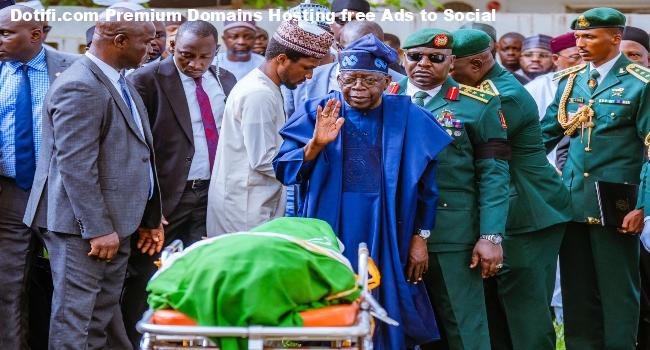
This weekend’s death of Nigeria’s former President Muhammadu Buhari in a London hospital has once again cast a harsh spotlight on a troubling paradox plaguing the African continent: its leaders frequently seek critical medical care abroad, often at vast public expense, while healthcare systems in their home countries remain chronically underfunded and inadequate.
This phenomenon, which has seen numerous African heads of state and prominent figures dying in foreign clinics, underscores a profound betrayal of public trust and a stark illustration of misplaced priorities.
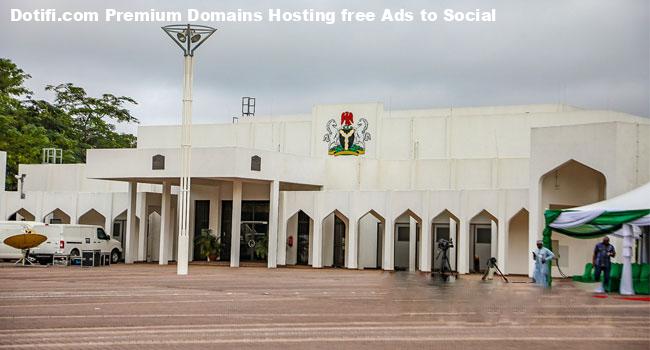
The irony is particularly sharp when considering the financial commitments made to ostensibly elite medical facilities within these countries, juxtaposed with the broader neglect of public health. For instance, Nigeria’s State House Clinic in Abuja was ostensibly established to cater to the medical needs of the President, Vice President, their families, and other government officials. During Muhammadu Buhari’s two terms in office (2015-2023), the clinic received an astonishing total of ₦15.24251 billion in budgetary allocations. At today’s exchange rate, this equates to approximately $9.95 million – a sum that could have significantly bolstered several public health institutions.
The year-by-year breakdown of the clinic’s budget paints a revealing picture: ₦3.94 billion, ₦3.87 billion, ₦3.2 billion, ₦1.03 billion, ₦798.86 million, ₦598.6 million, ₦641.1 million, ₦708.75 million, and ₦455.2 million. Despite these substantial allocations, reports of the clinic’s dismal state frequently emerged, lacking even basic drugs and equipment. Aisha Buhari, the former First Lady, herself publicly criticised the facility, questioning the whereabouts of the funds and lamenting the absence of essential medical supplies like syringes. This disconnect between allocated funds and actual functionality highlights deep-seated issues of mismanagement and corruption that cripple the domestic healthcare infrastructure.
The broader picture of Nigeria’s health sector under Buhari’s watch further compounds the irony. Throughout his tenure, the percentage of the national budget allocated to health remained woefully inadequate, often oscillating between a mere 4.1% and 6.4%. In 2015, it stood at 6.2%, dipping to 4.1% in 2016, and only marginally improving to 6.4% by 2023. These figures fall drastically short of the Abuja Declaration’s recommended 15% of national budgets for health, demonstrating a persistent lack of political will to prioritise the well-being of the populace.
Even more alarming is the precipitous decline in the doctor-to-patient ratio. In 2015, the ratio was approximately 1:4,000, already strained. By 2022, it had worsened to around 1:6,000, and by 2023, it plummeted to an astonishing 1:9,000. This critical shortage of medical professionals is exacerbated by a continuous “brain drain,” with Nigerian doctors migrating abroad in search of better working conditions and remuneration, further crippling the already fragile system.
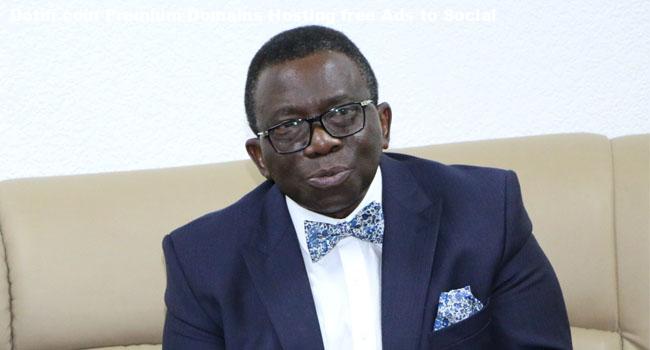
This dismal state of affairs squarely points to the failures of the health ministers under Buhari’s administration. Critics frequently lambasted them for their perceived inability to translate policy into tangible improvements, halt the exodus of medical professionals, or effectively utilise the limited funds allocated to public health. Rather than championing robust local healthcare infrastructure, their tenure was largely marked by continuing the status quo, which made public hospitals dilapidated and under-equipped.
Muhammadu Buhari’s frequent and prolonged medical sojourns in London throughout his presidency became a significant point of contention. While his health was a private matter, his reliance on foreign hospitals, paid for by the Nigerian taxpayer, starkly contrasted to the dilapidated conditions ordinary citizens face. This dichotomy drew sharp criticism from the Nigerian Medical Association and various civil society groups, who argued that such actions eroded public confidence in the nation’s healthcare system and set a poor precedent.
In defending the former President’s actions, his spokesman, Femi Adesina, offered a statement that, for many, epitomised the problematic mindset of the political elite. In an interview with Channels TV, Adesina asserted that Buhari chose foreign hospitals “because staying alive came first.” He further contended that Nigeria lacked the necessary medical expertise to treat the former president, suggesting that relying on Nigerian hospitals could have led to his demise sooner.
This justification, while attempting to rationalise a personal decision, inadvertently serves as a damning indictment of the very system the government was meant to improve. It begs the question: if the nation’s leader, with dedicated State House Clinic funds and the resources of the state at his disposal, could not trust domestic medical facilities, what hope did the average Nigerian have? The argument that a leader must first stay alive to effect change falls flat when seeking foreign care undermines the potential for that change to occur within the country’s medical landscape. It highlights a system where public officials, rather than strengthening local institutions, opt for the convenience and perceived superiority of foreign services, perpetuating a cycle of neglect and underdevelopment at home.
The death of African leaders abroad is not merely a personal tragedy but a poignant symbol of a wider systemic failure. It reflects a leadership class that, despite presiding over immense national wealth and allocating significant budgets to healthcare, frequently fails to invest adequately in, and perhaps more crucially, trust, its public services. Until African leaders demonstrate a genuine commitment to developing and utilising robust domestic healthcare systems, the irony of their final moments spent in foreign hospitals will continue to be a painful and enduring symbol of unfulfilled promises.
Nwanze is a partner at SBM Intelligence
The post Dying Abroad appearedFrom The Feed @ SEARCHNG.NG THe Nigerian Search Engine.