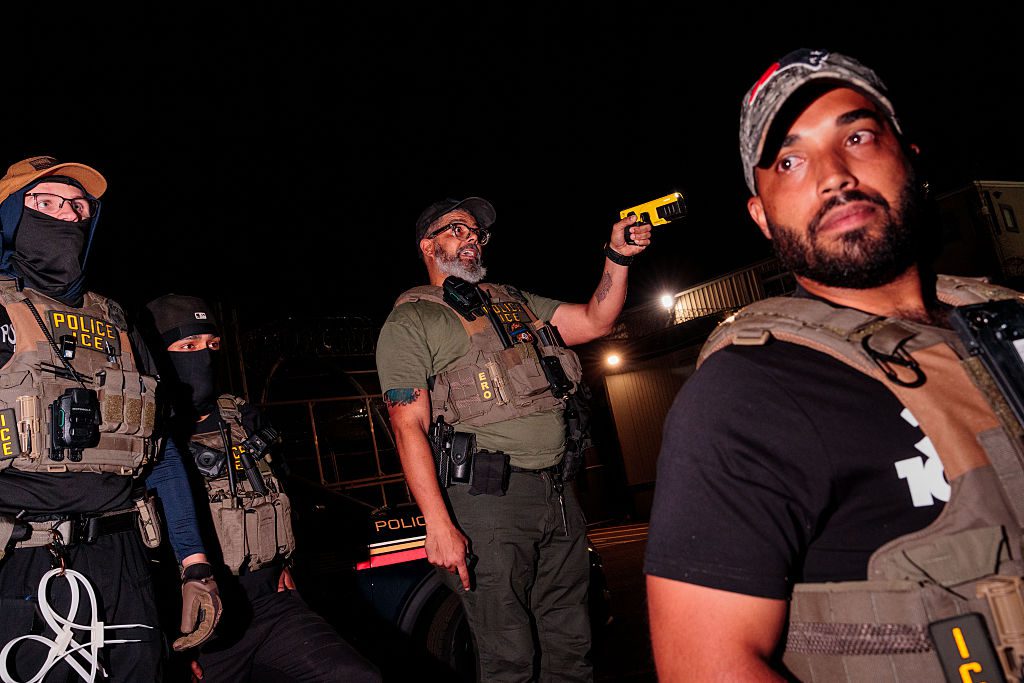
Alarm Raised Over ICE Plan to Equip Agents with Electric Shock Gloves
A controversial proposal to equip Immigration and Customs Enforcement (ICE) agents with electric shock gloves has ignited fierce backlash from human rights advocates and former government officials alike. According to a report by TIME, plans to introduce these pain-compliance devices into civilian immigration enforcement have drawn sharp criticism from former Department of Homeland Security (DHS) officials, who warn that the technology carries a "high potential for abuse" and is entirely unnecessary for the agency’s mission.
The specialized gloves, designed to deliver an electric charge directly through physical contact, are being considered as a tool for subduing individuals during apprehension. However, former high-ranking DHS officials argue that these devices pose severe safety risks and are inappropriate for civilian law enforcement. They emphasize that ICE agents are already equipped with sufficient tools and rigorous training to manage encounters safely, making the introduction of electroshock gloves an escalatory step that endangers both agents and civilians.
A Dangerous Tool for Civilian Enforcement
The primary concern surrounding these electric shock gloves is the ease with which they can be deployed without accountability. Unlike traditional tasers, which are highly visible and often log deployment data, shock gloves can deliver pain-compliance charges during routine physical restraint. This subtle application makes unauthorized or excessive force much harder to monitor, document, and regulate, raising significant red flags for civil liberties watchdogs.
Furthermore, medical experts warn of the profound physical risks associated with electroshock technology. When used against vulnerable populations—such as children, pregnant women, or individuals with underlying cardiac conditions—the application of electrical currents can lead to severe injury or death. Because immigration enforcement frequently involves interactions with highly stressed, exhausted, and vulnerable individuals, introducing pain-inducing weapons is far more likely to trigger panic and escalate violence than to resolve tension peacefully.
Calls for Transparency and Oversight
The potential adoption of this technology highlights a troubling trend toward the militarization of civil immigration enforcement. Opponents argue that instead of seeking more aggressive weapons, federal agencies must prioritize humane, transparent, and de-escalation-focused strategies. Civil rights organizations are already calling on Congress to intervene, demanding rigorous oversight and an immediate halt to any procurement plans to ensure that human dignity remains at the center of enforcement policies.