

US tariff negotiations with key trading partners have shifted into high gear as economies race to avoid steeper duties before an August 1 deadline.
Many of these tariff hikes were part of a package first announced in April, under which dozens of economies were due to face higher levies — up from a 10 percent level — over their trade surpluses with the United States.
The twice-postponed deadline for duties to take effect is now Friday, August 1.
But Washington has expanded its group of targets coming up against these tariffs, while announcing agreements with the European Union, Britain, Vietnam, Japan, Indonesia and the Philippines.
WWW.SEARCHNG.NG – Search on Sells.ng Nigeria's First Ecommerce Shopping Search Engine ...For More About This Post: US To Deny Visas For Birth Tourism
A deal with the European Union unveiled on Sunday sees a 15 percent tariff imposed on European exports to the United States, down from the 30 percent that Trump earlier threatened.
Where do other US trade talks stand?
South Korea: Heightened pressure
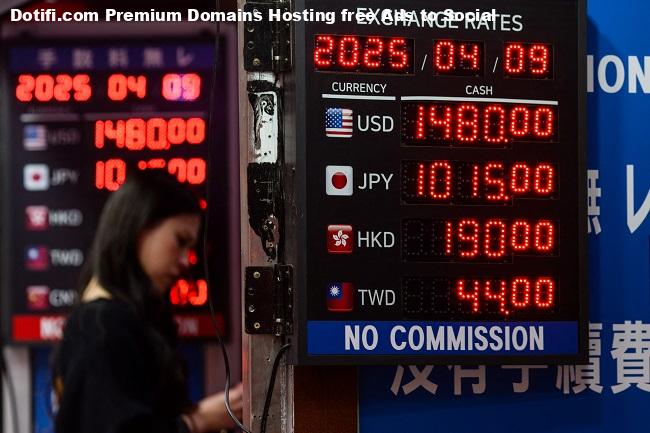
Seoul is racing to reach a deal with Washington, as Tokyo’s success in landing an agreement has “amped up the pressure for South Korea,” a government source told AFP.
Local media reported that Seoul was preparing to propose more than $100 billion in investment as part of a broader agreement, with expected participation by major firms such as Samsung and Hyundai Motor. The South Korean government did not confirm this.
But South Korean officials have outlined proposals to deepen collaboration in sectors like shipbuilding, semiconductors and batteries.
National Security Advisor Wi Sung-lak has told reporters that the two countries are in “the final and most crucial phase of negotiations” to avert Trump’s proposed 25 percent duty.
India: Cautious optimism
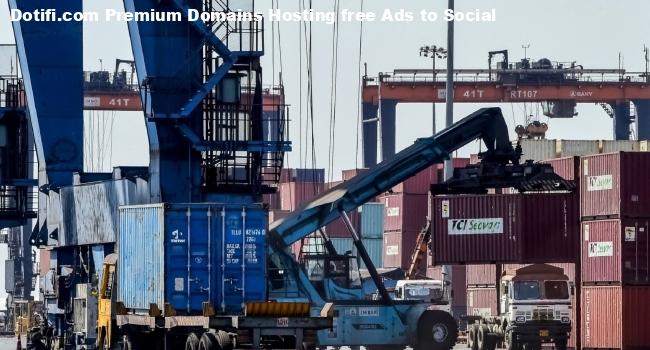
Indian Commerce Minister Piyush Goyal told Bloomberg Television Thursday that he was optimistic his country could reach an agreement with the United States to avert Washington’s 26 percent tariff threat.
Goyal insisted there were not any sticking points in the US-India relationship or in trade talks, and clarified that immigration rules —- including those around H-1B visas for skilled workers — had not come up in negotiations.
Despite Goyal’s remarks, local media reported the prospects of an interim deal before August 1 had dimmed.
Taiwan: Working hard
Taiwanese Premier Cho Jung-tai said Thursday that officials are “working hard” on negotiations, amid worries that an unfavourable tariff level could hit the self-ruled island’s economy.
Vice President Hsiao Bi-khim said Taipei’s negotiating team was “working almost 24 hours a day to achieve trade balance and Taiwan’s industrial interests, and even to further deepen cooperation.”
Canada, Mexico: Deal unclear

Although Canada and Mexico were spared from Trump’s “reciprocal” tariffs announced in April, goods from both countries entering the United States generally face a separate 25 percent duty if they fall outside a North American trade pact.
This figure stands to jump to 30 percent for Mexico come August 1, while the level for Canada was set at 35 percent.
Mexican President Claudia Sheinbaum said her administration was “doing everything” possible to avert the duties and that she would speak with Trump if necessary to try to reach a pact.
Trump told reporters Friday there was no deal with Canada so far.
Brazil: Political nature
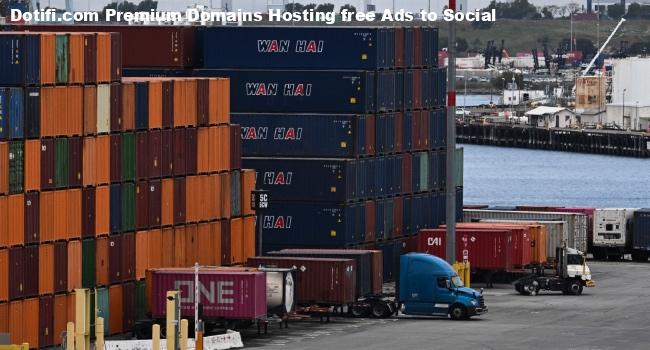
Brazil is girding for a virtual trade embargo on its planes, grains and other goods if Trump’s threatened 50 percent tariff on its exports takes effect on August 1.
The United States runs a trade surplus with Latin America’s biggest economy, which was not originally expected to face steeper tariffs under Trump’s “reciprocal” duties plan.
Trump has not attempted to hide the political motivation in targeting Brazil, citing a judicial “witch hunt” against his right-wing ally, former president Jair Bolsonaro, when he unveiled the tariff rate.
The political nature of the spat makes a last-minute deal appear less likely.
The post What Is The Status Of US Tariff Negotiations? appearedFrom The Feed @ SEARCHNG.NG THe Nigerian Search Engine.