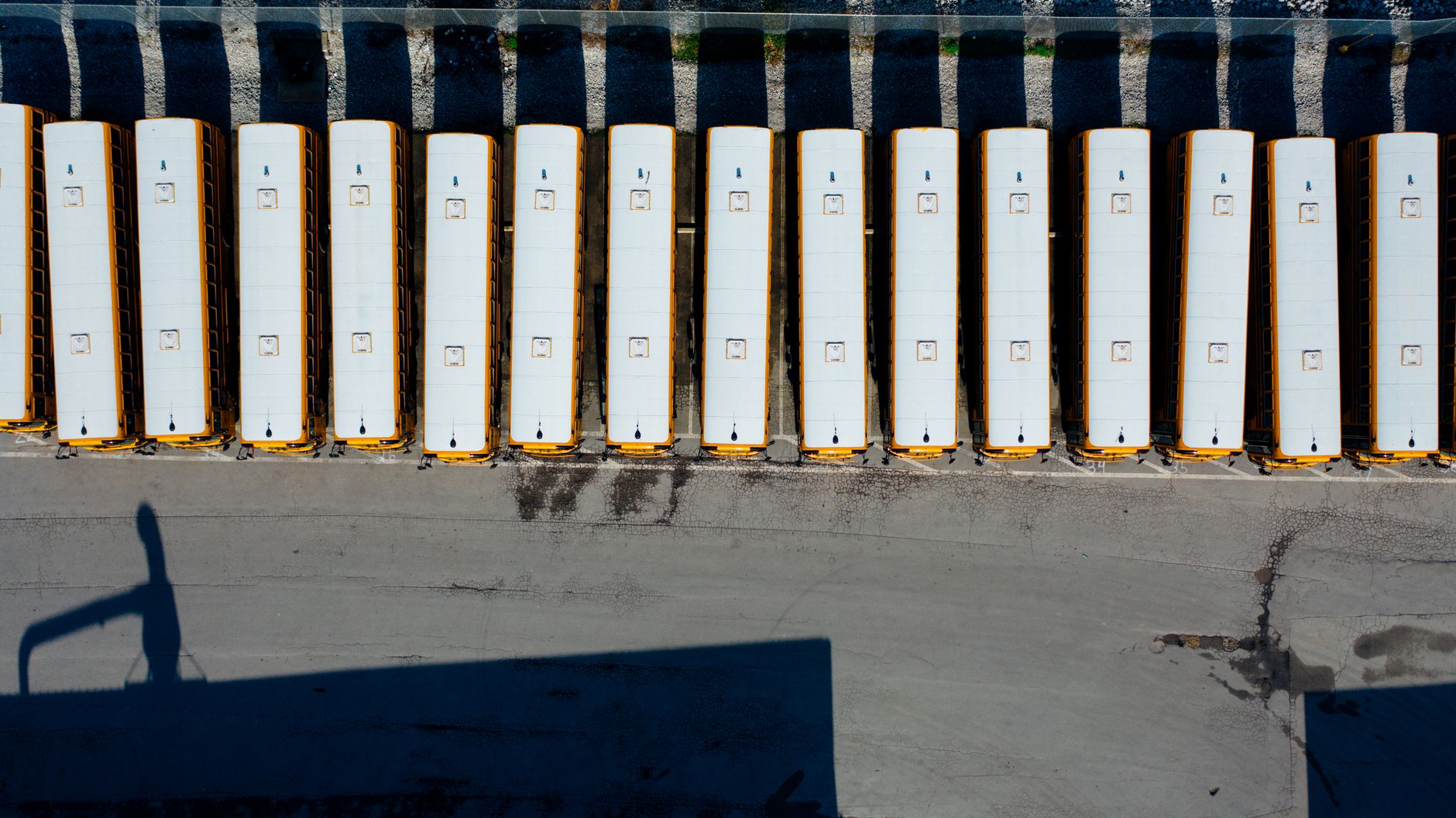
In a staggering revelation of legislative budget manipulation, Nigeria’s National Assembly has reportedly sneaked a whopping N9.8 billion into the 2026 federal budget. The massive sum, disguised under the budgetary allocation of a federal college in Enugu, is earmarked for purchasing luxury buses and executing various projects tailored specifically for traditional rulers. This exclusive disclosure has sparked widespread outrage across the country, raising fresh concerns over the integrity of Nigeria’s fiscal planning.
According to investigative documents obtained by SaharaReporters from the Budget Office of the Federation, these controversial allocations are buried deep within the voluminous, 2,790-page 2026 Appropriation Act. Civic groups and public finance analysts have raised alarms over how funds meant for educational advancement, academic research, and infrastructural development at the Enugu-based tertiary institution are being systematically diverted to serve non-academic, political, and monarchical interests. This development underscores ongoing concerns regarding systemic corruption and the lack of transparency in the legislative budgeting process.
The multi-billion Naira insertions raise critical questions about Nigeria’s current fiscal priorities. In a country currently grappling with deteriorating educational infrastructure, striking academic unions, and severely underfunded schools, allocating N9.8 billion for royal buses and vague projects within a college’s budget is seen as a major setback. Critics and anti-corruption advocates argue that inserting such astronomical figures into an educational institution’s budget is a classic, deceptive tactic used by lawmakers to bypass public scrutiny and siphon public funds under the guise of constituency development.
Furthermore, this incident highlights a recurring pattern of “budget padding” where lawmakers insert self-serving projects into the budgets of ministries, departments, and agencies (MDAs) that have no administrative oversight over such projects. This practice not only distorts national development plans but also starves critical sectors of the vital funding required for growth.
As civil society organizations call for a comprehensive audit of the entire 2026 Appropriation Act, demand is growing for the National Assembly to explain the rationale behind these questionable insertions. Stakeholders are urgently demanding that the federal government and the Budget Office review these allocations before they are implemented. For Nigeria to navigate its current economic challenges successfully, its leadership must prioritize transparent governance. Scarce national resources must be channeled directly into critical sectors like education, healthcare, and public infrastructure, rather than funding luxury perks for traditional elites at the expense of national development.